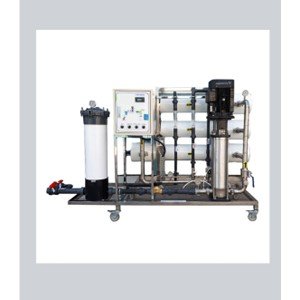
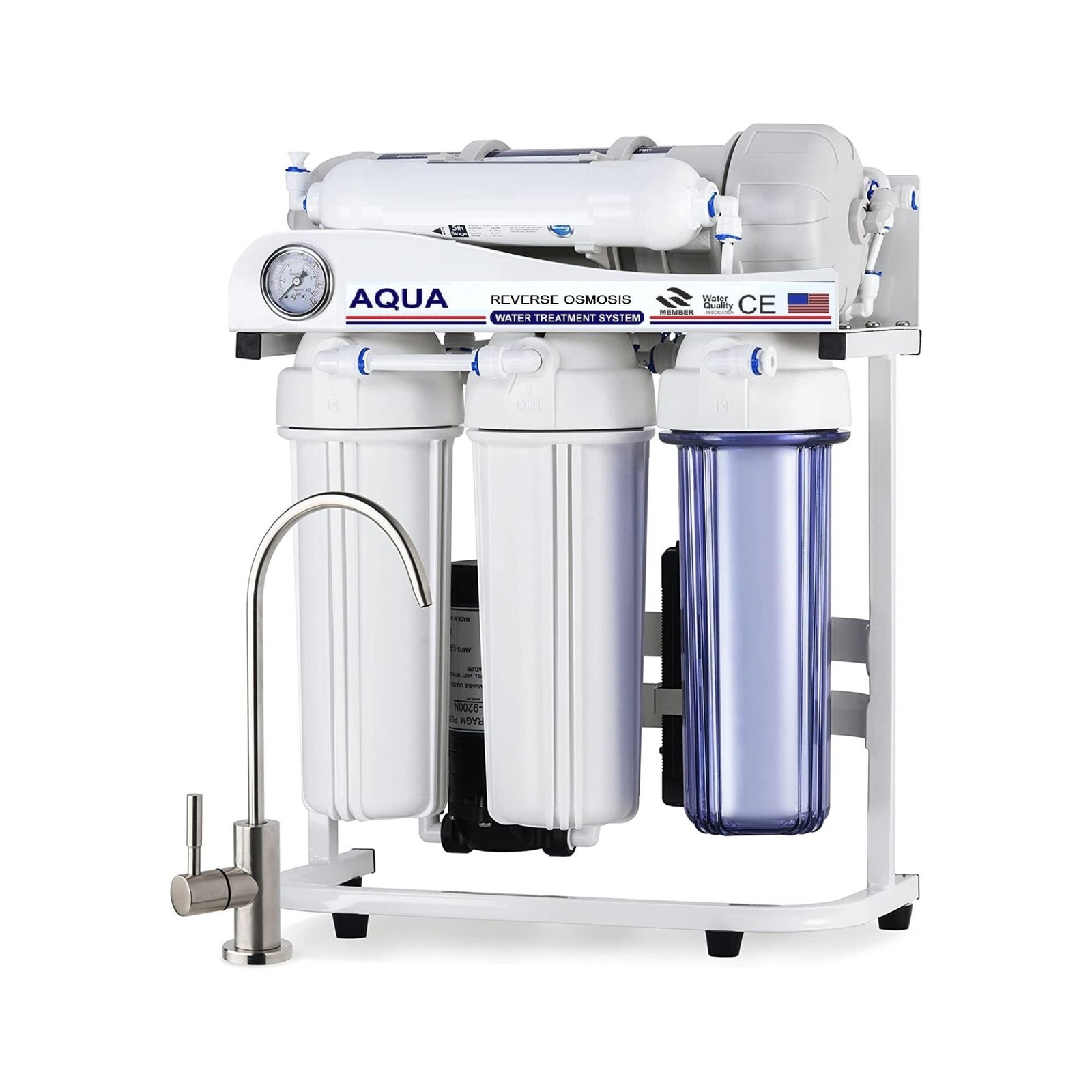
Direct Flow 400 GPD RO System
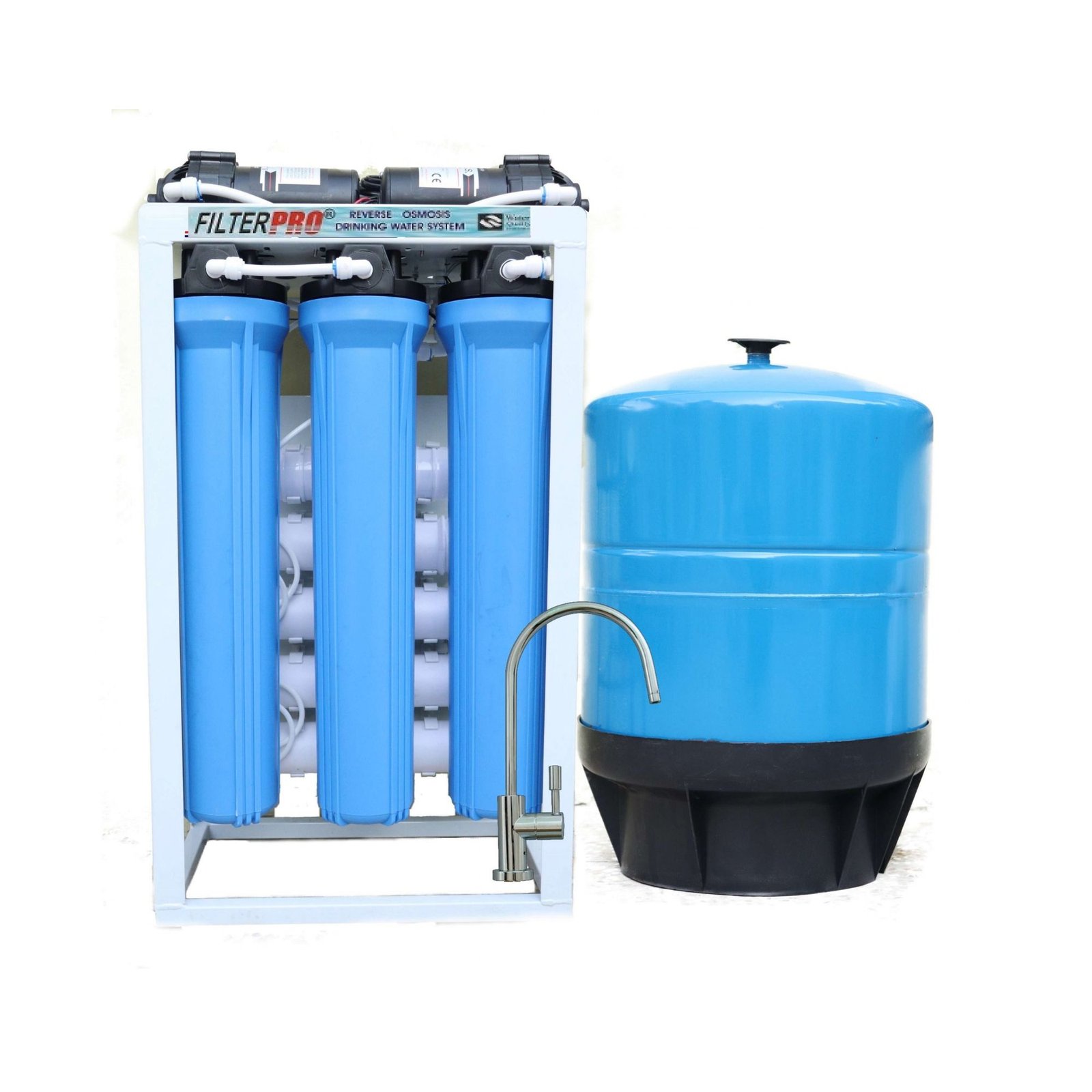
Direct Flow 400 GPD RO System is designed to produce 400 gallons of purified water per day without the need...
Starting from
AED 12
Explore the 20000 GPD Industrial RO System for high-capacity water purification using reverse osmosis technology in industrial facilities. settings.
Explore FilterPro water treatment solutions including water softeners, filtration systems, water purifiers, UV systems, commercial RO and industrial RO systems for homes, offices, commercial properties and industries in Dubai and across the UAE.
Direct Flow 400 GPD RO System is designed to produce 400 gallons of purified water per day without the need...
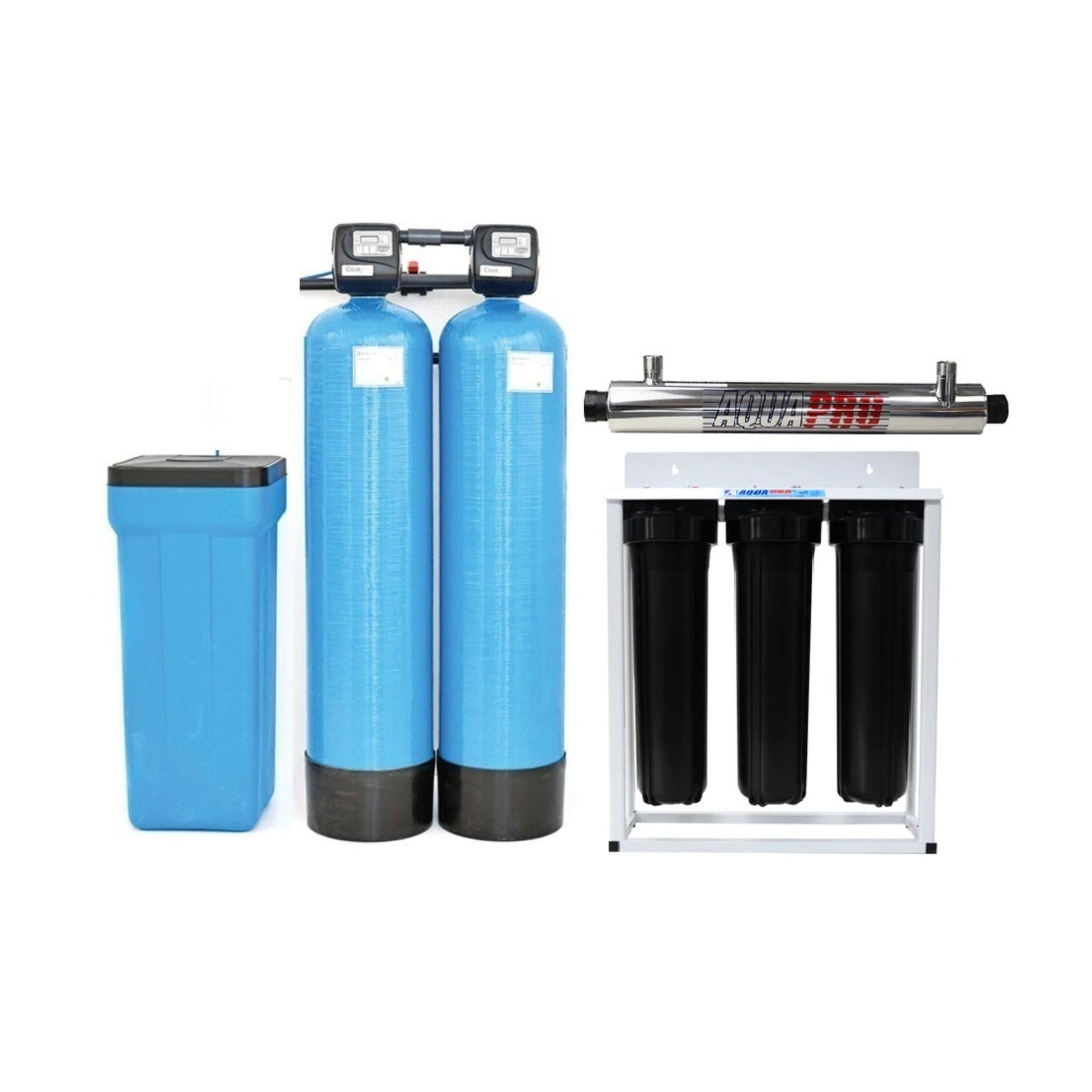
Water Softener, Media Filter with UV for effective hard water treatment, filtration, and UV disinfection. Ideal for homes, villas, commercial
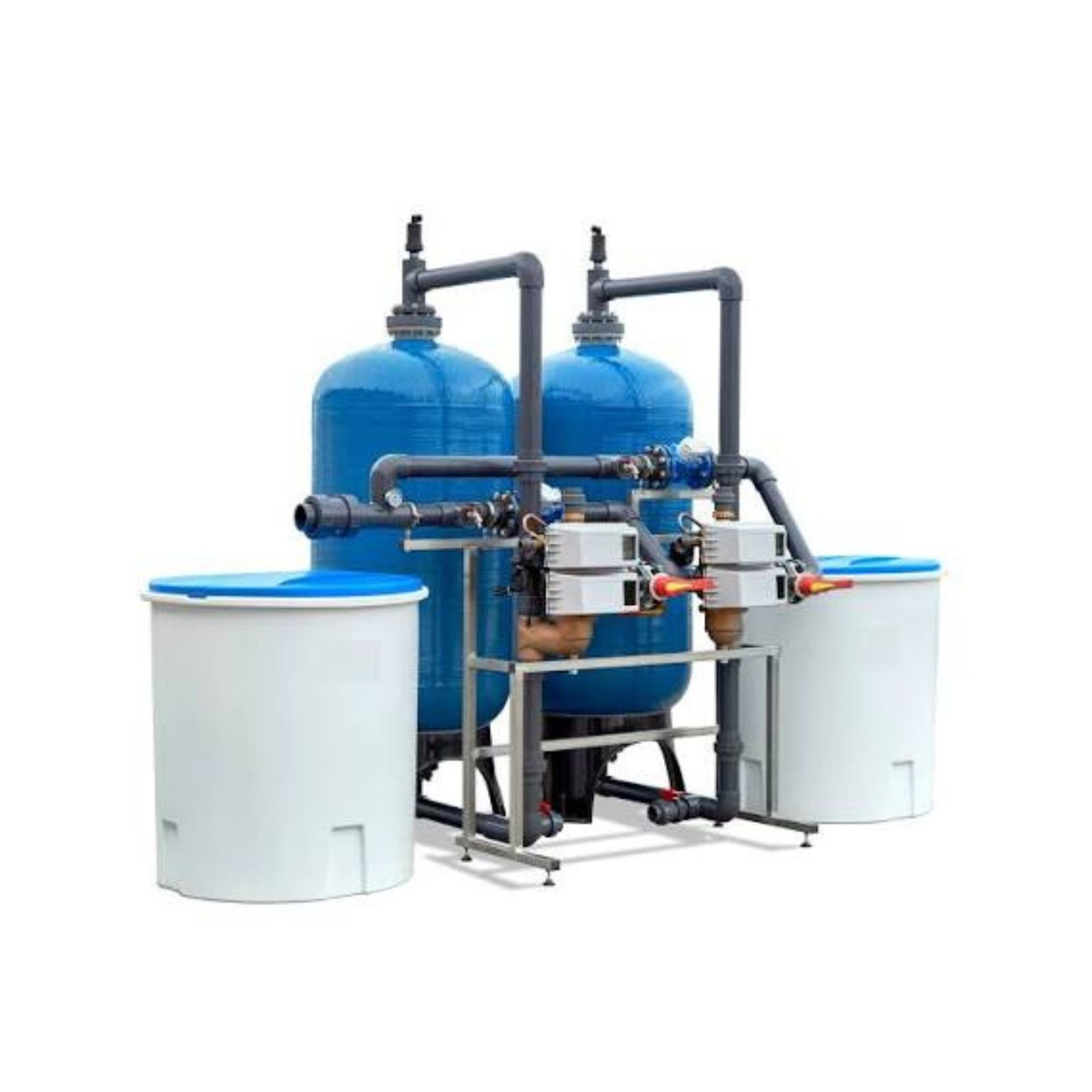
Commercial Water Softener in UAE | High-performance commercial water softener systems designed to reduce hard water, scale buildup
200 GPD RO is a 7-stage RO water purifier designed to provide multi-stage water filtration for homes, offices, and commercial applications.
The 20000 GPD Industrial RO System is a high-capacity reverse osmosis water treatment solution developed for commercial facilities, industrial operations, and process-water applications. It uses membrane separation technology to reduce dissolved salts and selected impurities, helping produce treated water according to the requirements of the intended application.
With a nominal capacity of 20,000 US gallons per day, this system is designed for a production rate of approximately 75,708 litres per day, or around 3,154 litres per hour when operated continuously for 24 hours at its rated output. Actual production can vary with feed-water quality, temperature, membrane characteristics, operating pressure, recovery rate, and maintenance conditions.
For businesses in Dubai and across the UAE, a 20000 GPD industrial RO plant can be configured for suitable municipal, groundwater, or other approved water sources following a detailed water analysis. The required pretreatment and post-treatment stages should be selected to meet the specific water-quality targets and operational demands of the facility.
An industrial reverse osmosis system applies pressure to feed water and passes it across semipermeable membranes. The membranes reduce dissolved salts and other substances, producing a treated permeate stream and a concentrated reject stream.
This capacity range can support facilities that need a substantial daily supply of treated water for manufacturing, equipment utilities, commercial operations, and other suitable industrial processes.
A correctly engineered RO plant can help maintain consistent process-water quality while treating significant volumes of feed water. The equipment layout can be designed around site conditions, water demand, monitoring requirements, and maintenance access.
System selection should consider feed-water analysis, the required permeate quality, daily operating hours, water recovery, energy requirements, and reject-water management.
Designed around a nominal capacity of 20,000 US gallons per day to support substantial industrial and commercial treated-water requirements.
Reverse osmosis membranes reduce dissolved salts and selected contaminants, with performance dependent on water chemistry and operating conditions.
Pretreatment, pumps, membrane vessels, instruments, and controls can be selected according to project requirements.
The process generally begins with feed-water supply and pretreatment. Depending on the water source, pretreatment may include media filtration, activated carbon, softening, or chemical dosing. A cartridge filter provides additional particulate protection before water enters the high-pressure membrane section. The RO membranes then separate treated permeate from concentrated reject water. Optional post-treatment can be installed when the final application requires additional conditioning or disinfection.
| Stage | Function |
|---|---|
| Feed Water Supply | Transfers incoming water from the selected source to the treatment equipment. |
| Pretreatment Filtration | Reduces suspended particles and other contaminants that could contribute to membrane fouling. |
| Water Conditioning | Optional softening or antiscalant dosing helps control scale formation based on feed-water chemistry. |
| Cartridge Filtration | Captures fine particles before water enters the RO membrane assembly. |
| High-Pressure Pump | Provides the pressure needed to operate the selected reverse osmosis membranes. |
| RO Membrane Assembly | Separates permeate from concentrate and reduces dissolved salts in the treated stream. |
| Post-Treatment | Optional pH adjustment, remineralisation, UV treatment, or other conditioning based on end-use requirements. |
| Storage and Distribution | Transfers the treated water to a storage tank or connected distribution system. |
Can supply treated water for selected manufacturing processes, equipment utilities, and production support operations.
May be used for suitable ingredient-water and cleaning-water systems when the complete treatment process meets applicable quality and hygiene requirements.
Can be considered for hotels, large buildings, institutions, and other facilities with substantial treated-water demand.
| Component | Function |
|---|---|
| Feed Water Pump | Moves raw water through the pretreatment equipment. |
| Multimedia Filter | Reduces suspended solids and particles where required by the feed-water analysis. |
| Activated Carbon Filter | Can reduce chlorine and selected organic compounds when suitable for the source water and membrane design. |
| Water Softener or Dosing System | Helps manage scaling risks based on the water chemistry and the selected treatment strategy. |
| Cartridge Filter Housing | Provides final particulate filtration before the RO membranes. |
| High-Pressure Pump | Supplies the pressure required for membrane separation. |
| RO Membrane Elements | Reduce dissolved salts and other substances rejected by the selected membranes. |
| Membrane Pressure Vessels | Hold the membrane elements and withstand the specified operating pressure. |
| Control Panel | Supports system operation, status indication, alarms, and automated functions where included. |
| Flow Meters and Pressure Gauges | Help operators track flow rates, operating pressures, and changes in system performance. |
| Conductivity or TDS Monitor | Measures a water-quality indicator to help assess permeate performance. |
| Product Water Tank | Stores treated water for subsequent use when included in the installation. |
The following table provides general planning information for a system with a nominal capacity of 20,000 GPD. It is not a manufacturer-specific datasheet. Actual equipment specifications, guaranteed output, and operating limits must be confirmed against the selected system design and feed-water analysis.
| Product Type | Industrial Reverse Osmosis Water Treatment System |
|---|---|
| Nominal Rated Capacity | 20,000 US gallons per day (GPD) |
| Approximate Daily Production | 75,708 litres per day at rated output |
| Approximate Hourly Production | 3,154 litres per hour when operated continuously for 24 hours at rated output |
| Treatment Technology | Pressure-driven reverse osmosis membrane separation |
| Feed Water Source | To be selected and confirmed after water-source assessment and laboratory analysis |
| Membrane Type and Quantity | Selected according to feed-water quality, target production, recovery, and required permeate quality |
| Operating Pressure | Depends on feed-water salinity, membrane specifications, temperature, and system design |
| Water Recovery Rate | Project-specific; determined by feed-water chemistry, scaling potential, and membrane design limits |
| Salt Rejection | Depends on the selected membrane and actual operating conditions; confirm with the manufacturer |
| Automation | Manual, semi-automatic, or PLC-based control options depending on configuration |
| Frame and Piping Materials | Specified according to pressure rating, water chemistry, site conditions, and project requirements |
| Electrical Supply | To be confirmed based on pump motors, control equipment, and local electrical requirements |
| Pretreatment and Post-Treatment | Configured according to feed-water characteristics and the final application |
| Installation Location | Indoor or outdoor installation, subject to equipment ratings and site conditions |
Industrial and commercial facilities in Dubai and throughout the UAE may require treated water for manufacturing, utilities, equipment supply, and selected process applications. A 20000 GPD industrial RO system can be considered where its designed production capacity matches the facility's water demand and the characteristics of the available feed water.
Before choosing a system, assess the water source, installation area, ambient conditions, electrical supply, treated-water storage, and concentrate disposal arrangements. Depending on the source and final use, additional filtration, disinfection, remineralisation, or other treatment stages may be necessary.
The 20,000 GPD rating represents nominal capacity and does not guarantee the same output under every operating condition. Confirm expected production, recovery rate, power requirements, membrane performance, and treated-water quality with the supplier using the actual project design basis.
Evaluate treatment requirements using feed-water analysis, daily consumption, process needs, and target water quality.
Review pretreatment, membrane selection, pumps, monitoring instruments, and optional treatment stages for the proposed application.
Plan routine inspections, filter changes, membrane care, and performance monitoring to support reliable operation over time.
Contact FilterPro to discuss your industrial water-treatment needs. Share your feed-water analysis, required daily output, target treated-water quality, and installation location to help identify a suitable system configuration for your facility in Dubai or elsewhere in the UAE.
Contact FilterPro